May 2026 Night Sky Guide: Meteors, Planets, and a Rare Blue Moon
May 2026 promises an exciting array of celestial events for skywatchers. From the swift streaks of the Eta Aquarid meteor shower before dawn to a stunning Moon-Venus conjunction after sunset, and a rare Blue Moon to cap off the month, there is plenty to look forward to in the night sky. Here's everything you need to know to make the most of these astronomical highlights.
Eta Aquarid Meteor Shower: Shooting Stars Before Dawn
The Eta Aquarid meteor shower, active from late April through mid-May, peaks on the nights of May 5 and 6. These meteors originate from the debris trail left by Halley’s Comet, which last visited Earth in 1986 and won’t return until 2061. As our planet passes through the comet’s dusty wake, tiny particles burn up in the atmosphere, creating bright streaks across the sky.
When and Where to Watch
The best viewing time is during the pre-dawn hours, when the constellation Aquarius—the shower’s radiant point—rises higher in the eastern sky. The shower can produce up to 50 meteors per hour under ideal, dark skies. However, the nearly full Moon this year may wash out fainter meteors, so focusing on brighter ones is recommended. For the best experience, find a location away from city lights, allow your eyes 20–30 minutes to adapt, and avoid looking at your phone or other bright screens.
What Makes These Meteors Special
Eta Aquarid meteors are known for their speed, traveling at about 40 miles per second into Earth’s atmosphere. This high velocity often leaves behind glowing, lingering trails that add a dramatic effect. To spot them, face east and scan the sky; patience will reward you with a memorable show.
Moon and Venus Conjunction: A Brilliant Pairing
On May 18, look west shortly after sunset for a beautiful celestial encounter. The crescent Moon will shine near Venus, often called the “Evening Star,” one of the brightest objects in the sky. The pairing will be easy to spot because the Moon acts as a guide, pointing directly to Venus. While they appear close, the Moon and Venus are actually millions of miles apart in space—their alignment is purely a line-of-sight effect from Earth. This conjunction is a perfect opportunity for photographers and casual stargazers alike.
End the Month with a Rare Blue Moon
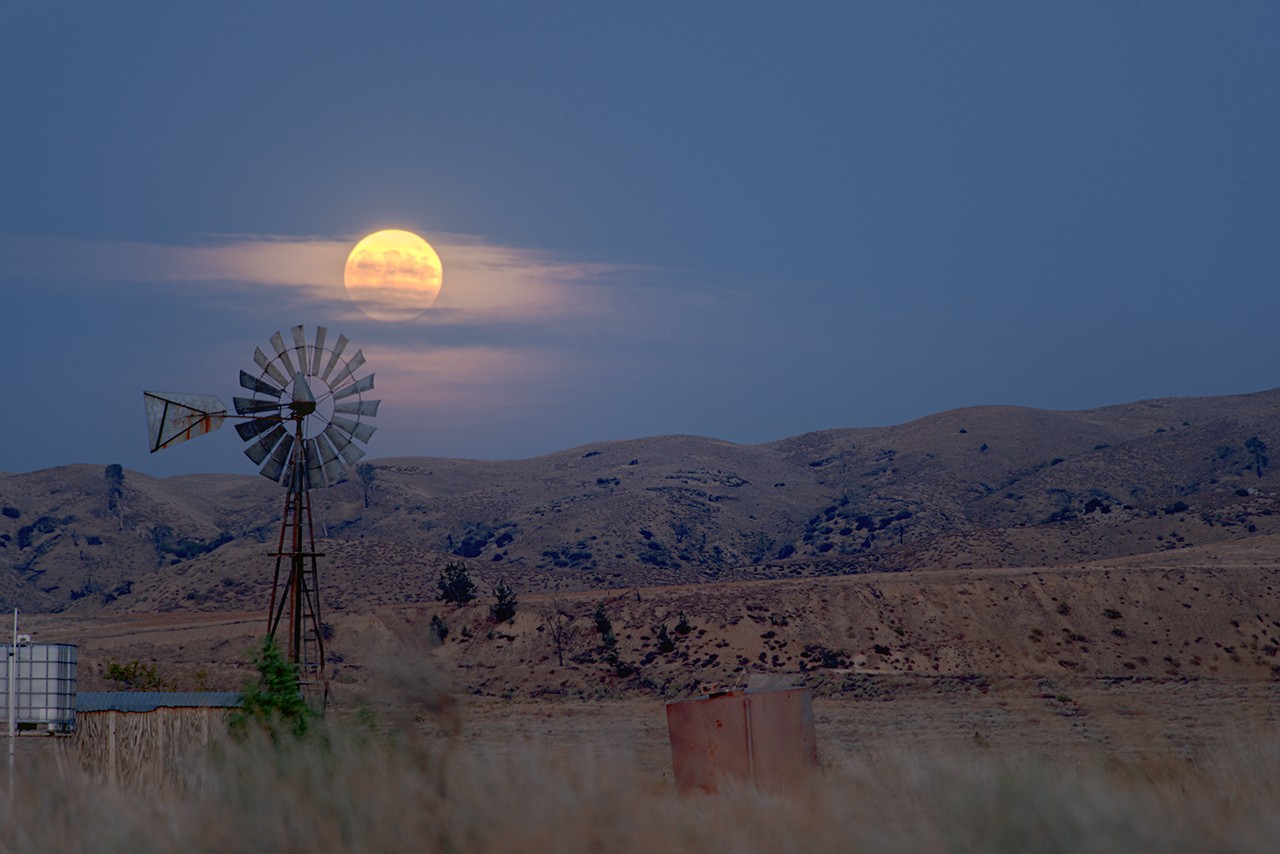
May closes with a Full Moon on May 31, which qualifies as a Blue Moon. Despite the name, the Moon will not appear blue. The term “Blue Moon” traditionally refers to the second full moon occurring within a single calendar month—a relatively rare event, giving rise to the phrase “once in a blue moon.” This full moon provides a brilliant end-of-month highlight, especially when viewed during moonrise.
May Moon Phases
To help plan your observations, here are the major Moon phases for May 2026:
- May 1: Full Moon
- May 9: Last Quarter
- May 17: New Moon
- May 24: First Quarter
- May 31: Full Moon (Blue Moon)
General Skywatching Tips
Whether you’re chasing meteors, conjunctions, or full moons, a few basics can enhance your experience. Find a dark location with an unobstructed horizon. Let your eyes adjust for at least 20 minutes. Use a star chart or app to identify constellations and planets. And always check local weather forecasts to ensure clear skies. May is a fantastic month to look up—enjoy the show!