How to Spot the Shift from Subcompacts to Sporty Cars at Auto Shows: Insights from Beijing
The Beijing Auto Show, officially known as Auto China, has traditionally been a stage where subcompacts and small, affordable cars dominated the spotlight. However, in recent years, a pronounced shift has occurred: sporty cars, high-performance models, and premium SUVs are now stealing the show, overshadowing the once-ubiquitous subcompacts. This guide takes you step by step through recognizing and analyzing this trend, using the Beijing Auto Show as a case study. Whether you’re an auto enthusiast, an industry analyst, or a marketing professional, understanding this transformation can help you predict future market movements and consumer preferences.
What You Need
- Access to auto show reports, press releases, or live coverage (digital or in-person).
- Basic understanding of vehicle categories (subcompact, compact, sporty, SUV).
- Historical sales data of the Chinese automotive market (optional but helpful).
- Notebook or digital document for observations.
- Patience to compare multiple models and brands.
Step-by-Step Guide
Step 1: Understand the Historical Context of the Chinese Auto Market
Before jumping into the show floor, grasp why subcompacts were once king in China. For decades, rising middle-class consumers favored low-cost, fuel-efficient subcompacts because of urban congestion, limited parking, and government incentives for small engines. Automakers like Geely, BYD, and Chery built their reputations on these models. However, China’s economy has matured, and wealthier buyers now seek status, performance, and luxury. At the Beijing Auto Show, this shift becomes visible: fewer subcompact unveilings and more silhouettes of coupes, sedans, and sports cars. Note that premium SUVs also surged—a parallel trend that signals a move away from basic transportation toward aspirational vehicles.
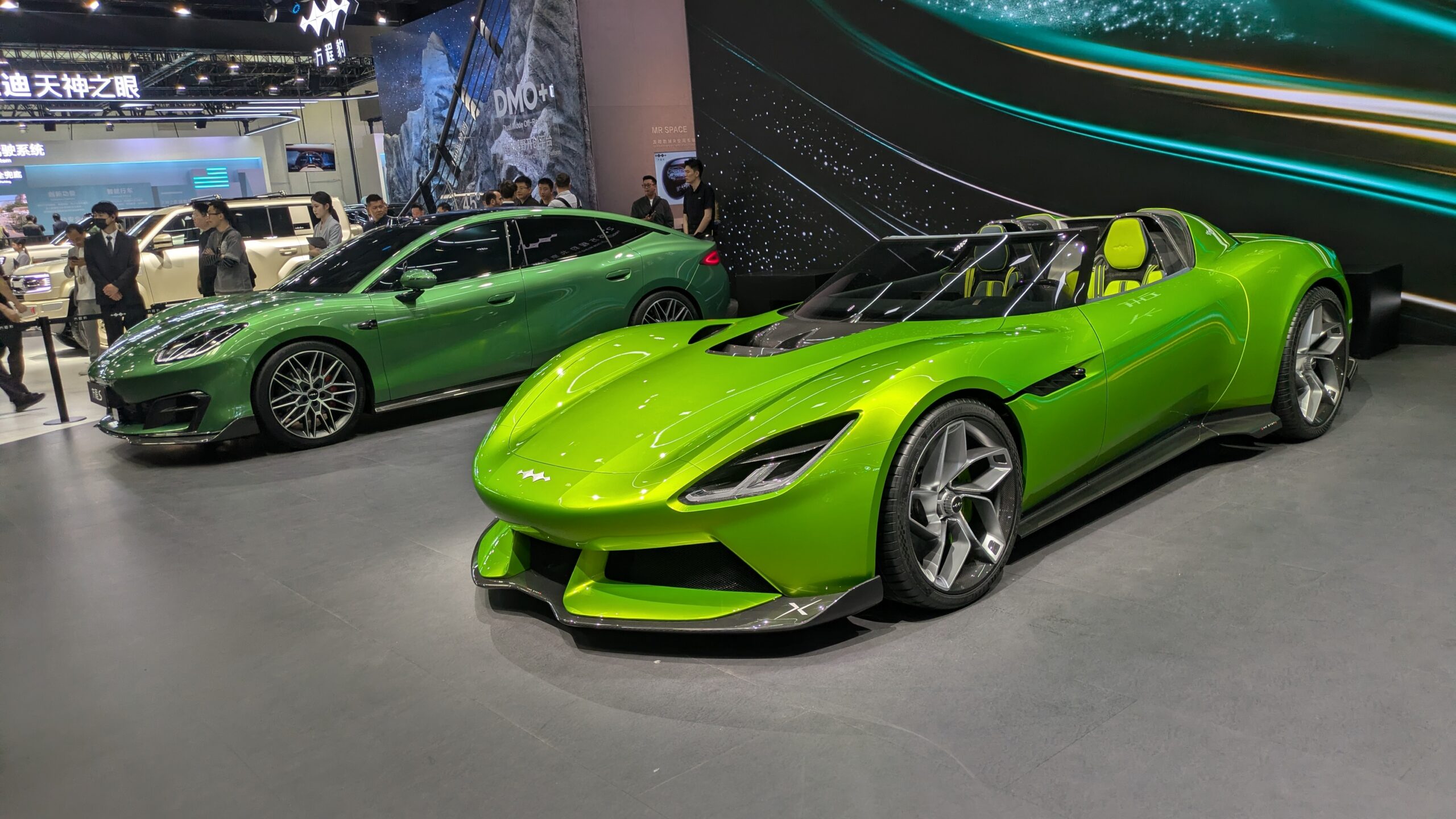
Step 2: Identify Key Performance Car Launches
During the show, track which automakers introduced sporty models. Look for nameplates like the Porsche Taycan, BMW M series, Audi RS line, and domestic brands such as Nio’s EP9 or XPeng’s sports sedans. These launches often generate the most buzz. For example, at Auto China, multiple manufacturers revealed limited-edition sports cars and high-performance electric vehicles (EVs) that promise blistering acceleration and track-ready handling. Record the horsepower, 0-100 km/h times, and price points. Compare these with the few subcompact reveals—if any—to see which segment receives more stage time and press coverage.
Step 3: Compare the Subcompact Segment’s Presence
Walk the exhibition halls (or study floor plans online) to see where subcompacts are placed. Often they are relegated to side corners or small booths, while sporty cars occupy center stage with rotating displays, dramatic lighting, and celebrity endorsements. At the Beijing event, subcompact models from Honda, Toyota, and even local brands seemed to be afterthoughts, with minimal marketing flair. Count the number of subcompact car introductions versus sporty car introductions; the ratio will lean heavily toward performance. This spatial and promotional disparity reveals the market’s shift.
Step 4: Analyze Consumer Trends and Market Data
Beyond the show floor, examine pre- and post-show sales reports from the Chinese automotive industry. Leading up to the event, Chinese consumers increasingly purchased medium-to-large sedans and SUVs with sporty styling, while subcompact segment growth slowed. Data from the China Association of Automobile Manufacturers shows a steady decline in subcompact market share from 25% to under 15% over the past five years, replaced by compact and midsize vehicles. Additionally, luxury brands reported double-digit sales increases. Correlate these trends with the emphasis on performance cars at the show—automakers are simply responding to demand.
Step 5: Observe the Proliferation of Premium SUVs
Alongside pure sporty cars, premium SUVs flooded the Beijing Auto Show. Models like the BMW X7, Mercedes GLS, and local offerings like Li Auto L9 blurred the line between utility and performance. These SUVs often came with powerful engines, sport-tuned suspensions, and luxury interiors, effectively pulling buyers away from subcompacts. Note that many sporty SUVs were marketed as “coupe SUVs” with sleek rooflines. Their dominance is a key reason subcompacts became an afterthought, as consumers prefer do-it-all vehicles that convey status and speed.
Step 6: Evaluate Brand Strategy Shifts
Automakers adjust their image over time. Visit the stands of traditional subcompact champions—such as Hyundai, Kia, or Toyota—and see if they showcased sporty concepts or trims. For instance, Toyota might debut a GR performance variant of a sedan instead of a new Yaris. Chinese domestic brands like BYD and Great Wall Motors also launched high-performance models (e.g., BYD’s Han EV with a 3.9-second 0-100 time). These strategic moves indicate that even budget brands are pivoting to sporty premium niches. Compare their messaging: fewer economy tags, more adrenaline-fueled slogans.
Step 7: Draw Conclusions for Future Markets
After collecting observations, synthesize them. The Beijing Auto Show confirms a global trend: the subcompact segment is losing relevance as consumers in maturing markets trade up. For industry watchers, this means investing in performance EV platforms, sports car derivatives, and high-end trims. For auto show attendees, the lesson is clear: the future of car shows will be dominated by speed, luxury, and style—not just economy. Document your findings in a report, highlighting how this shift impacts supply chains, emissions goals, and affordability.
Tips for Success
- Read reviews and press releases from multiple sources to avoid brand bias. Websites like CleanTechnica often provide independent analysis of show themes.
- Compare year-over-year data. A single show might be an anomaly; look at trends from the last three to five Auto China events.
- Talk to booth staff (if attending) about which models get the most test drive requests—that’s a direct indicator of interest.
- Use social media sentiment around show hashtags to gauge which cars generate excitement. More posts often mean higher consumer attention.
- Don’t ignore premium SUVs; they often share performance characteristics and cannibalize sporty car sales. They are part of the same shift away from subcompacts.
- Consider the electrification angle. Many sporty cars at Beijing were EVs with instant torque. This overlaps with China’s push for new-energy vehicles, making the trend even stronger.
By following these steps, you can effectively identify and understand why sporty cars and premium SUVs are outshining subcompacts at major auto shows like Beijing. The transformation is not just about flash—it reflects deep changes in consumer values, economic growth, and automotive innovation.
Internal Anchor Links: Step 1 | Step 2 | Step 3 | Step 4 | Step 5 | Step 6 | Step 7