How to Build a Twitch Chat-Controlled LED Display
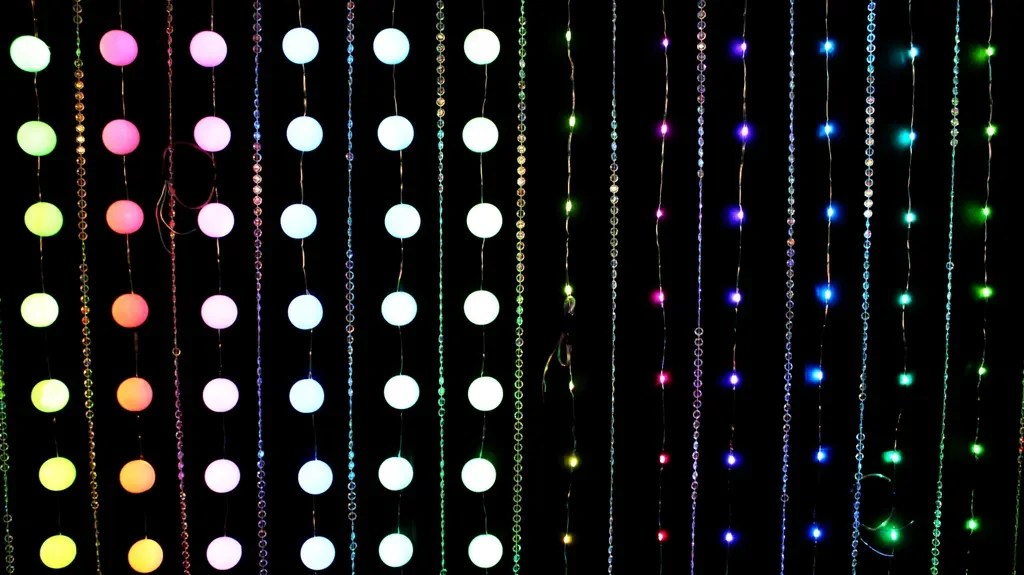
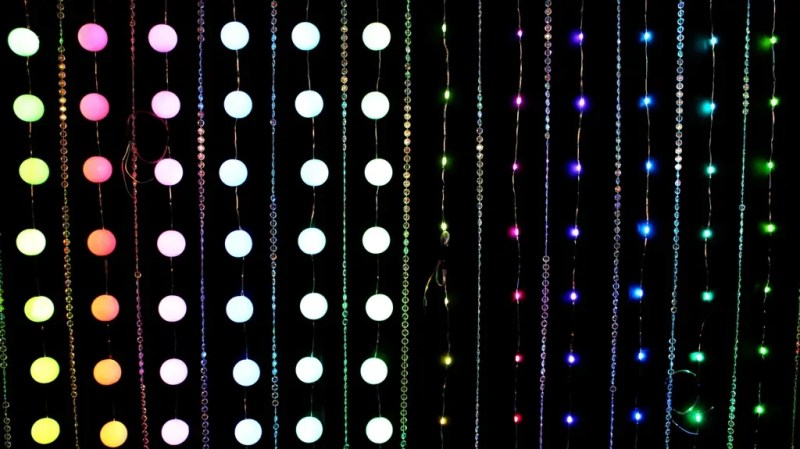
Twitch chat has long been a playground for audience participation—from directing Pokémon to making story choices. Now, maker pfeiffer3000 has taken that interactivity into the physical world with a dazzling LED grid that viewers can control in real time. This project blends simple hardware (an ESP32, WS2812B LEDs, and PVC pipes) with clever code (WLED and TwitchIO) to let anyone in chat change colors and patterns on a set of glowing table tennis balls. Below, we break down how it all works, what you need, and how to get started.
How Does Twitch Chat Control Physical LEDs?
At its core, the system uses an ESP32 microcontroller with built-in Wi-Fi to connect to both the LED string and the Twitch chat server. When a viewer types a command (like "!color red"), the Python script running TwitchIO picks it up, parses it, and sends a signal to the ESP32 via WLED’s HTTP API. The ESP32 then adjusts the WS2812B addressable LEDs accordingly. Because each LED can be set individually, chat can control not just the overall color but also effects like rainbows, strobes, or patterns—turning the grid into a living, crowd-driven canvas.
What Hardware Do You Need for This Project?
The build is surprisingly accessible. The main components are:
- ESP32 development board – handles Wi-Fi and sends LED commands
- WS2812B addressable LED strip – typically a strip of 30-60 LEDs that can be cut and rearranged
- Table tennis balls – act as diffusers, giving the LEDs a soft, spherical glow
- PVC pipes and connectors – form a square frame to mount the balls
- 5V power supply – must deliver enough current for your LED count (around 1A per 20 LEDs)
Learn how to assemble these parts below.
How Are the LEDs Arranged Inside the Ping-Pong Balls?
Step by step: First, cut a small slit in each table tennis ball and insert one WS2812B LED into the ball. The LED’s flat side faces outward, and the wires exit through the slit. Then glue or tape the ball shut. Next, mount the balls onto a square frame made of PVC pipes. Using the hardware listed above, you can create a grid of, say, 4×4 or 6×6 balls. The LED strip is daisy-chained along the back of the frame, so each ball gets power and data from the same line. Finally, connect the strip’s data line to a GPIO pin on the ESP32 and power it all up.
What Software Makes the Twitch Integration Work?
Two key libraries do the heavy lifting:
- WLED – an open-source firmware that runs on the ESP32 and controls the WS2812B LEDs. It provides a web interface and an HTTP API for sending color and effect commands.
- TwitchIO – a Python library that connects to Twitch chat, listens for messages, and triggers Python callbacks when commands match certain patterns.
On your computer (or a Raspberry Pi), run a Python script that uses TwitchIO to read chat commands. When a valid command arrives (e.g., "!rainbow"), the script sends an HTTP request to the ESP32’s WLED API. The whole setup is documented on pfeiffer3000’s GitHub.
Can You Write a Quick Code Snippet for the Twitch Bot?
Sure—here’s the core logic in Python (simplified):
from twitchio.ext import commands
import requests

class Bot(commands.Bot):
    def __init__(self):
        super().__init__(token='oauth:...', prefix='!', initial_channels=['your_channel'])

    @commands.command()
    async def color(self, ctx: commands.Context, color: str):
        requests.get(f'http://esp32-ip/win&COL={color}')

bot = Bot()
bot.run()
This listens for !color red, then calls the WLED API to change the LED color. You can expand it to handle effects like !rainbow or !fade.
Any Tips for Making Your Own Audience-Controlled Display?
Yes! Keep these in mind:
- Start with a small grid (e.g., 4×4) to test the chat timing before scaling up.
- Use a cooldown or rate limiter in your Python script to prevent spam from overloading the ESP32.
- Add a queue system so that if multiple viewers send commands, they execute in order.
- Document your commands clearly in your stream’s chat panel.
- Consider adding a !help command that lists all available controls.
If you build something similar, the underlying method from this project gives you a solid foundation to customize.